How Long Do You Wear A Retainer After Braces: A Patient Guide to Orthodontic Retention
How long do you wear a retainer after braces? Schedules vary by person and appliance. Learn why teeth can shift, how wear may change over time, and when to ask your orthodontist about fit.
Short Answer
Short Answer
How long you wear a retainer after braces depends on your orthodontist’s plan. Many people need some retainer wear for life because teeth can continue to shift. Your orthodontist may recommend more wear soon after treatment and gradually change the schedule. Follow the instructions for your own retainer rather than switching to a fixed timetable.[1][4]
Purpose of the Orthodontic Retention Phase
Orthodontic retention is the necessary stabilization period that maintains teeth in their newly aligned positions after active hardware removal. Without dedicated retention, normal forces and elastic tissues naturally pull teeth back toward their previous malalignment, reversing progress.[1][4]
Moving from Active Treatment to Stabilization
Active orthodontic movement ends when braces are removed, but the biological support system around the teeth remains unsettled. Retention serves as the passive maintenance stage, holding tooth roots in place while surrounding structures adapt to the corrected bite and alignment over many months.[1][4]
Preventing Post-Treatment Orthodontic Relapse
Relapse refers to the unwanted shifting of teeth back toward their original positions following active correction. Because unanchored teeth are prone to rapid migration, consistent retainer use provides the mechanical resistance necessary to counteract early movement before subtle shifts become visible or permanent.[1][4]
Biological Factors Influencing Wear Timelines
Retainer wear duration is determined by cellular biology rather than arbitrary schedules. The human mouth undergoes continuous remodeling, meaning that teeth require steady mechanical support while bone matures and microscopic soft tissues reorganize around newly established root positions.[4][5]
Soft Tissue and Fiber Reorganization
Orthodontic movement affects the bone and tissues supporting the teeth. These structures continue to adapt after braces come off, and teeth can move again. Retainer instructions account for this early adjustment as well as later natural changes; the timing varies by person and treatment plan.[4]
Alveolar Bone Remodeling and Physiological Aging
Alveolar bone surrounding tooth roots must deposit new mineral matrix to secure repositioned teeth, requiring several months of quiet stabilization. Furthermore, lifelong natural forces, including soft-tissue pressures, late jaw growth, and physiological mesial drift, cause teeth to naturally move forward with age.[1][4]
Appliance Adaptation and Wear Indicators
Adapting to a new retainer involves normal transient sensations during the initial days. Recognizing the difference between expected tissue accommodation and warning signs of shifting helps patients maintain optimal wear schedules and preserve their clinical correction.[1][4]
Evaluating Retainer Tightness and Tooth Movement
A new removable retainer may feel unfamiliar at first. If an appliance that used to fit feels unusually tight, hurts, or does not seat properly, contact the orthodontic team for advice rather than forcing it. A change in fit may reflect tooth movement or damage to the retainer.[1][4]
Professional Assessment of Stability
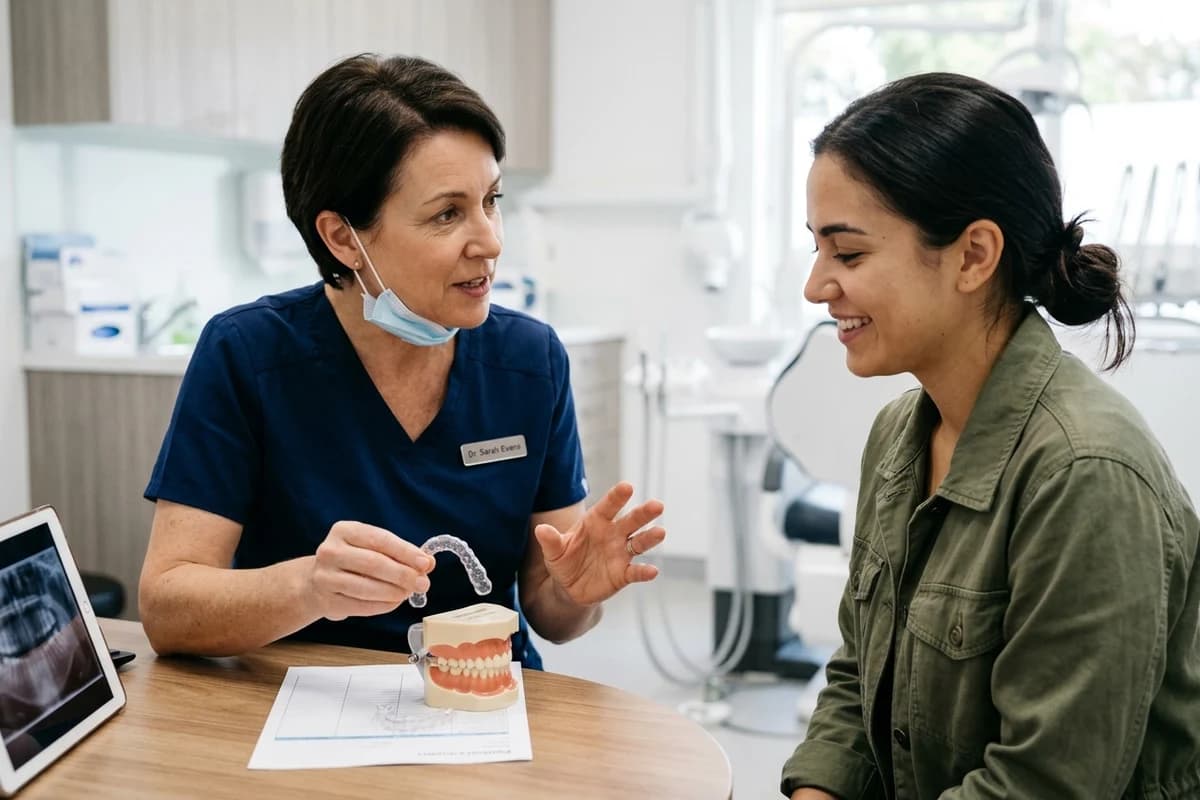
Orthodontists monitor retention progress during post-treatment follow-up visits to verify alignment stability and evaluate appliance integrity. Routine professional evaluations ensure that both the dental arch and the retention hardware function correctly without unexpected complications.[1][4]
Evaluating Occlusion and Structural Fit
A clinician inspects how the retainer seats against the dental arches, checks for signs of wear or warping, and examines gingival health. This objective assessment confirms whether underlying tissues have sufficiently matured to allow safe transition from full-time to nighttime wear protocols.[1][4]
Retainer Options and Wear Considerations
Patients may receive removable or fixed retention appliances based on individual malocclusion severity, relapse risk, and lifestyle needs. Understanding the differences among retention devices helps patients appreciate their specific wear protocols and long-term care demands.[1][5]
Clear Thermoplastic and Hawley Retainers
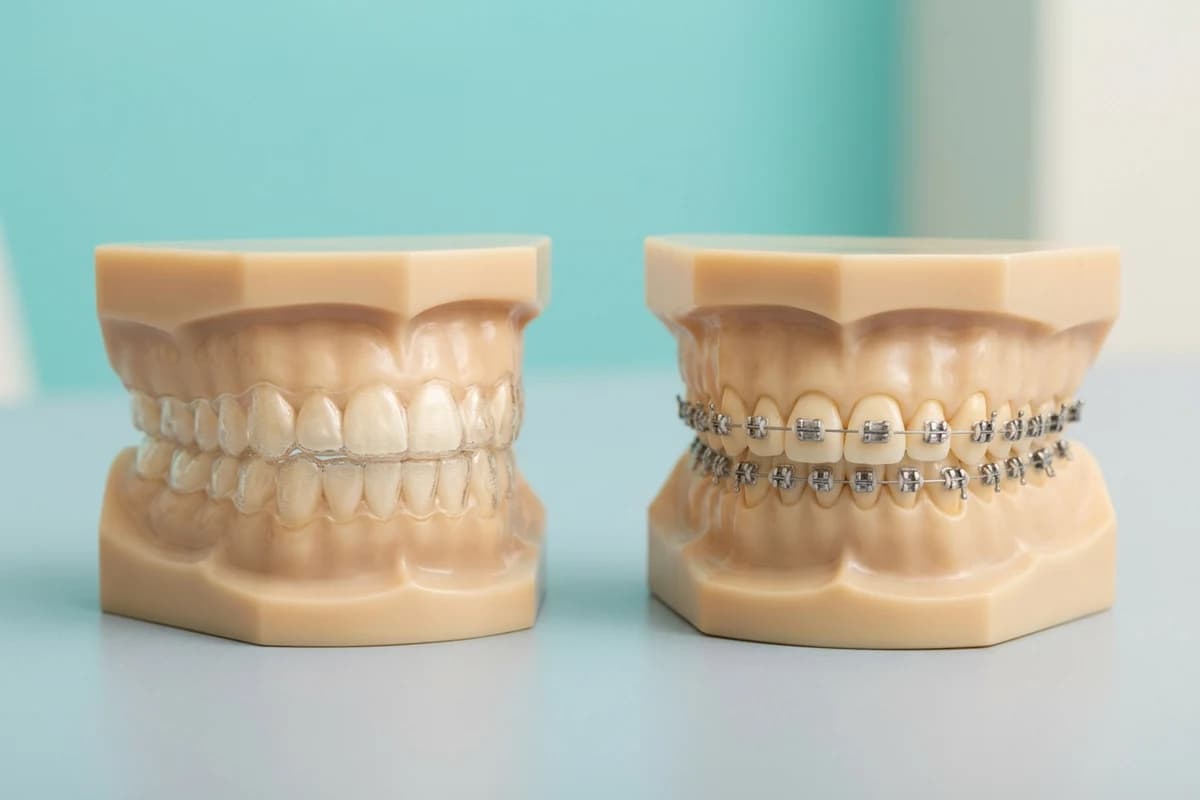
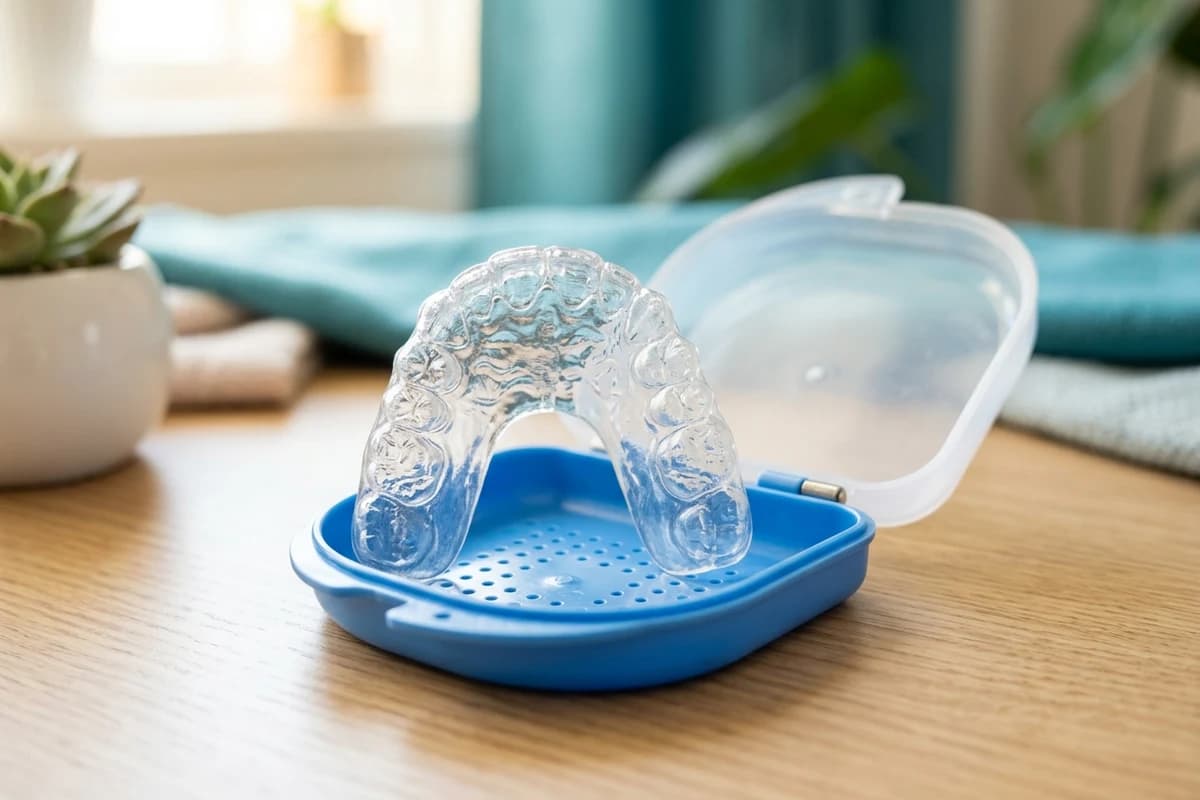
Clear thermoplastic retainers fit snugly over teeth, offering discreet esthetics and comprehensive control over tooth position. Hawley retainers use durable acrylic and a labial wire, which permits natural bite settling and allows minor clinical adjustments, though both styles require strict patient wear compliance.[1][5]
Fixed Lingual Retention Wires
Fixed retainers consist of a custom wire bonded directly to the tongue-side surfaces of the anterior teeth, offering continuous relapse protection without patient intervention. While ideal for high-relapse areas, they demand diligent flossing techniques to avoid calculus buildup and require prompt repair if debonding occurs.[1][5]
Structured Progression of Wear Schedules
Your orthodontist may adjust retainer wear over time after active treatment ends. Some patients begin with more hours of daily wear and later move to nighttime use, while others have a different plan or a bonded retainer. Follow the schedule given for your own appliance.[1][4]
Chronological Stages of Retainer Wear
Standard retention begins with strict daytime and nighttime compliance before tapering down to maintenance. Moving between stages depends on consistent tissue stabilization and adherence to clinical guidance over several sequential milestones.[1][4]
- Wear the removable appliance for the daily hours prescribed by your orthodontist after treatment.
- Change to nighttime or reduced wear only when your orthodontist advises it.
- Keep following the long-term plan, and ask for a fit check if the retainer feels different.
Establishing Lifelong Nighttime Maintenance
Teeth may continue to shift throughout adulthood, which is why many people need some form of long-term retention. The frequency varies by appliance and individual response. Regular follow-up lets the orthodontic team check fit and advise whether your schedule should change.[1][4]
Appliance Maintenance and Hygiene Protocols
Proper maintenance preserves retainer shape, material clarity, and hygienic safety over years of wear. Daily hygiene routines prevent bacterial colonization, bad odors, and appliance degradation, ensuring appliances seat accurately without irritating delicate oral tissues.[1][5]
Cleaning Protocols and Storage Practices
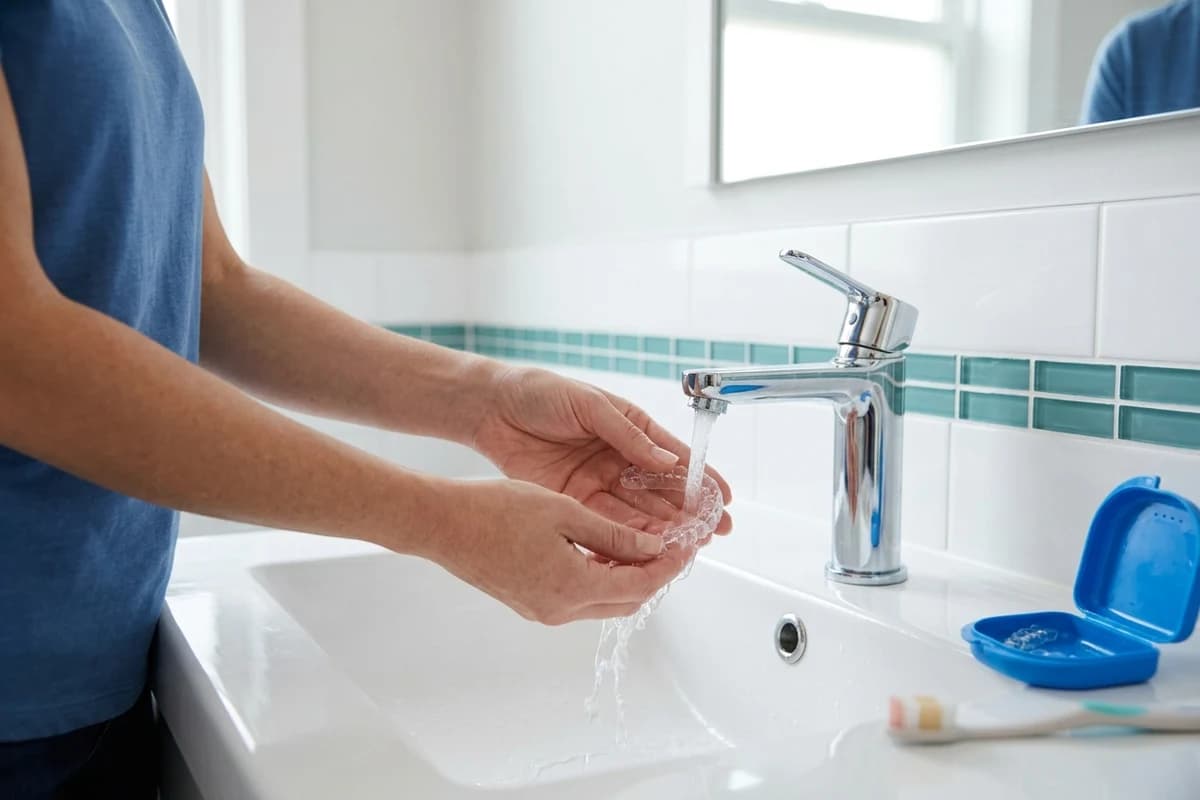
Removable appliances should be cleaned daily using cool or lukewarm water and a soft-bristled brush, avoiding hot water that can warp plastics. When removed for meals, retainers must be placed in a rigid protective case to prevent accidental disposal or physical damage.[1]
Hygiene Practices for Bonded Wires
Maintaining bonded lingual retainers requires meticulous plaque removal to prevent gingival inflammation and calculus buildup along wire margins. Utilizing interdental brushes or specialized floss threaders daily ensures that the bonded enamel surfaces and surrounding gum tissues remain healthy throughout long-term retention.[1][5]
Managing Complications and Appliance Failures
Retainers experience gradual mechanical wear, distortion, or accidental breakage over time. Recognizing appliance failures promptly and scheduling professional replacement or repair prevents rapid orthodontic relapse and ensures long-term alignment stability.[1][4]
Recognizing When to Seek Professional Intervention
Patients should contact their orthodontist promptly if a retainer cracks, feels loose, warps, or stops seating fully against the dental arch. Similarly, any detachment along a bonded wire requires swift professional repair before unanchored teeth rotate or shift out of alignment.[1][4]
Sources
- aaoinfo.org — American Association of Orthodontists
- nih.gov — pmc.ncbi.nlm.nih.gov
- nih.gov — pmc.ncbi.nlm.nih.gov
- nih.gov — pubmed.ncbi.nlm.nih.gov
- nih.gov — pmc.ncbi.nlm.nih.gov
Common questions
Frequently asked questions
Clear thermoplastic retainers typically last several years before needing replacement due to material fatigue, micro-cracks, or natural wear. If an appliance becomes warped, cloudy, cracked, or loose, an orthodontist should fabricate a new model from current dental impressions.[1]
Discuss orthodontic treatment with EZ Orthodontics
To discuss your retainer wear schedule, evaluate appliance fit, or replace a damaged retainer, please schedule an orthodontic consultation with EZ Orthodontics today.