Invisalign Vs Braces: A Patient Guide to Invisalign
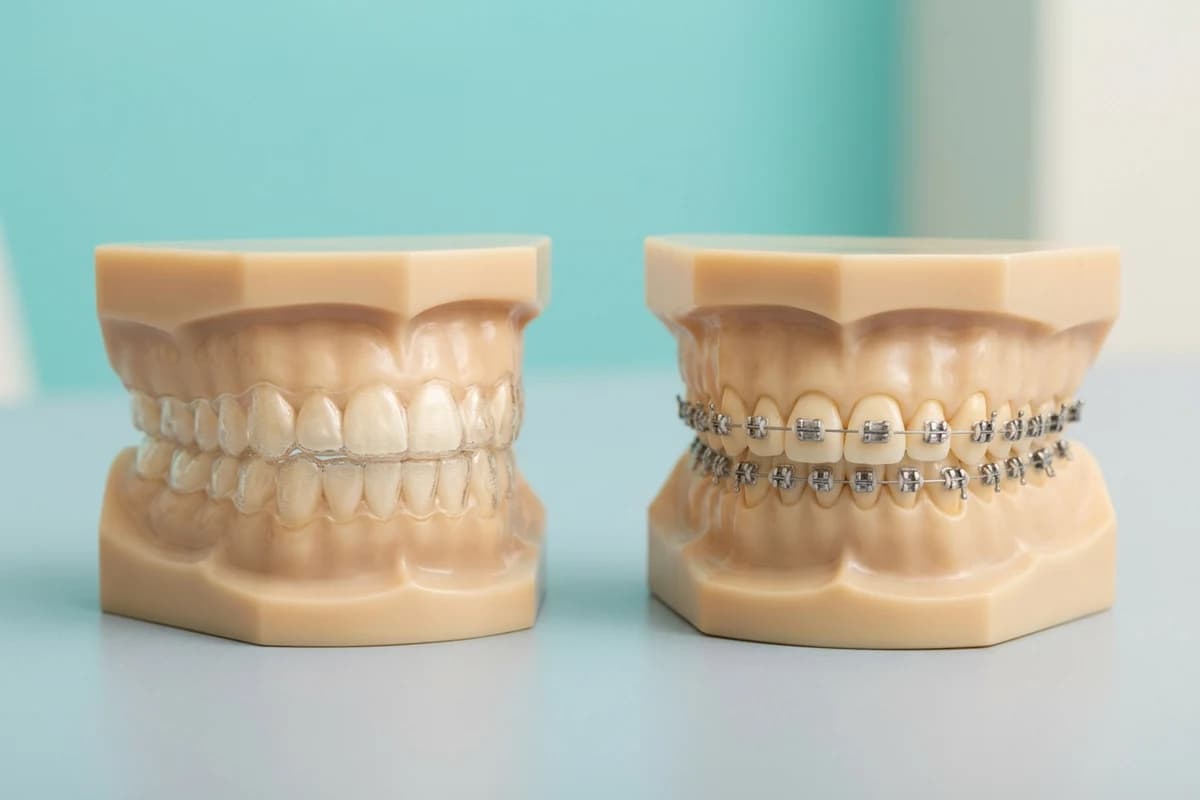
When comparing Invisalign vs braces, consider visibility, removable convenience, the tooth movements needed, and daily care. An orthodontist can explain which approach fits your bite and habits; neither is the best choice for everyone.
Short Answer
Short Answer
Both clear aligners and braces move teeth, and an orthodontist can assess which suits your bite. Invisalign aligners are removable and require consistent daily wear; fixed braces remain attached and have different food and cleaning routines. Neither option is universally better or quicker. The best choice depends on the movement needed, everyday habits, and individual goals.[1][2][3]
Understanding Clear Aligners and Traditional Braces
Orthodontic therapy realigns teeth and resolves malocclusions to support masticatory function, facilitate effective oral hygiene, and protect enamel from abnormal wear. While both clear aligners and fixed braces achieve these goals, they use fundamentally distinct mechanics and patient interactions during care.[1][3]
Clear Aligner Mechanics and Design
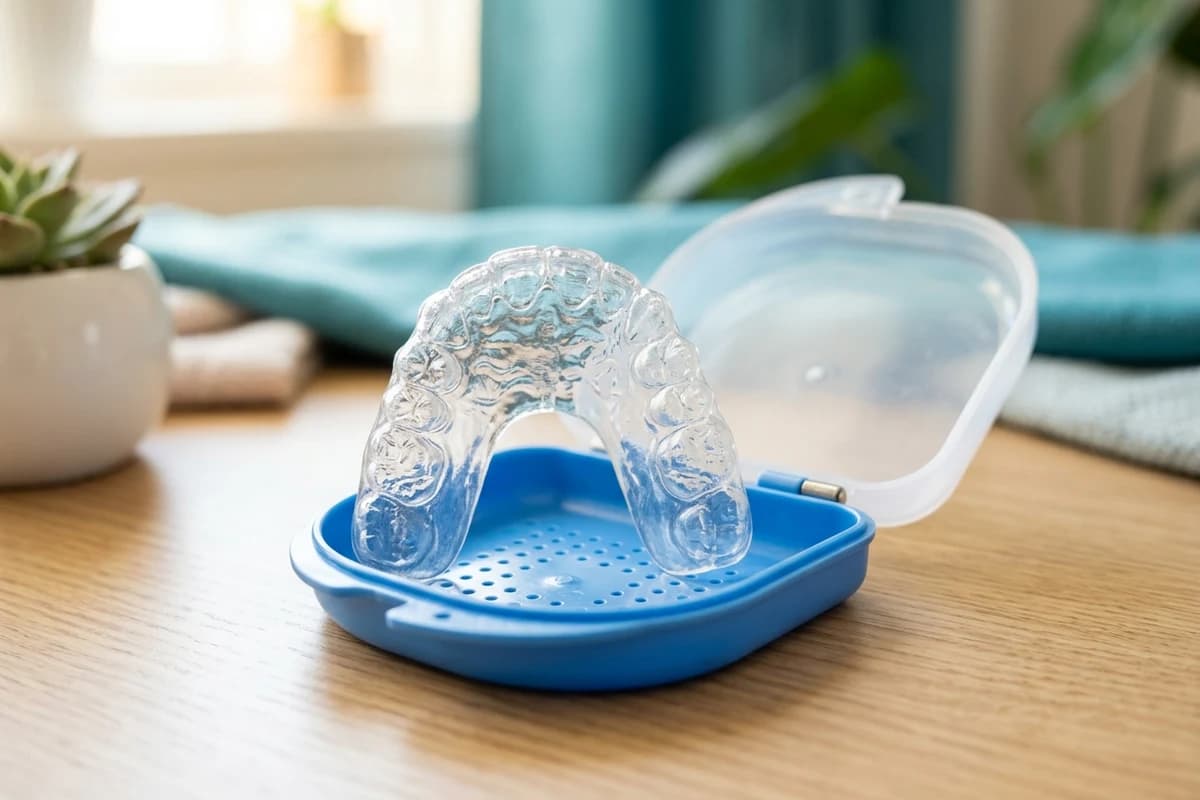
Invisalign utilizes a progressive series of custom-molded thermoplastic trays that fit over the dental arches to apply gentle, sequential mechanical forces. Often paired with bonded composite resin attachments or elastics for specialized traction, these removable appliances gradually reposition teeth while remaining discreet during social and professional interactions.[1][2]
Fixed Appliance Foundations
Traditional braces use metal or ceramic brackets attached to teeth and connected by wires. The appliance stays in place during active treatment, so the patient does not need to remember to reinsert it after meals. An orthodontist can use the brackets and wires to plan controlled movements for a range of bite and alignment concerns.[1][3]
Key Criteria for Comparing Orthodontic Systems
Selecting between removable aligners and fixed appliances depends heavily on malocclusion complexity, lifestyle demands, aesthetic priorities, and personal discipline. Understanding how these systems differ across functional criteria allows prospective patients to make informed decisions alongside an experienced orthodontic provider.[1][4]
Patient Compliance and Daily Routine
Compliance represents the primary operational difference between the two systems. Clear aligners demand strict personal accountability, requiring twenty to twenty-two hours of daily wear to achieve planned movements. Fixed braces operate continuously without patient intervention, making them dependable for individuals who might struggle with the discipline of frequent tray reinsertion.[1][2]
Complexity and Biomechanical Predictability
Clear aligners can address many crowding, spacing, and bite concerns, while some complex movements may be better suited to fixed appliances. Rotations, vertical movements, and extraction plans can affect the choice. The orthodontist assesses the particular teeth and treatment goals before recommending one approach.[1][4]

Recognizing Malocclusions and Optimal Timing
Identifying misaligned teeth or improper bites early helps prevent complications such as uneven dental wear, chewing inefficiency, and difficulty maintaining periodontal health. Consulting an orthodontist when these alignment concerns emerge ensures that corrective interventions occur under optimal conditions.[1][3]
Signs Indicating Orthodontic Need
Patients should seek an orthodontic assessment when experiencing dental crowding, persistent spacing, deep overbites, underbites, crossbites, or open bites. Correcting these irregularities restores balanced biting forces and eliminates tight overlapping areas that trap plaque. Deciding between aligners and braces occurs once clinical diagnostics evaluate the severity of the bite problem.[1][3][5]
Professional Diagnostic and Assessment Protocols
Determining appliance candidacy requires a comprehensive clinical examination rather than personal preference alone. Orthodontists evaluate dental arches, jaw relationships, bone support, and soft tissue profiles to establish an accurate diagnosis and create an individualized treatment roadmap.[1][4]
Comprehensive Diagnostic Workup
A formal consultation involves capturing detailed digital impressions, facial photographs, and diagnostic radiographs to visualize root positions and skeletal structures. The clinician assesses periodontal health, calculates arch length discrepancies, and determines whether clear aligners can achieve the necessary biomechanical forces or if fixed brackets are required for predictable root control.[1][4][5]
Comparing Treatment Options and Aesthetic Tradeoffs
Patients can choose between multiple appliance configurations, each offering distinct visual profiles, hygiene workflows, and structural characteristics. Evaluating clear aligners alongside traditional and ceramic fixed braces clarifies how each option fits an individual's personal and professional life.[1][3]
Visual Impact and Appliance Materials
Clear aligners provide near-invisible correction through medical-grade clear polymers, making them popular for adults seeking subtle treatment. Traditional metal braces remain the most noticeable option, though ceramic brackets present a tooth-colored alternative. However, ceramic brackets still utilize visible archwires, leaving aligners as the most aesthetically discreet orthodontic modality available.[1][3]
Dietary Freedom and Lifestyle Maintenance
Removable aligners offer complete dietary freedom because patients take them out before eating meals or snacks. In contrast, fixed braces impose restrictions against hard, crunchy, or chewy foods that could dislodge brackets or bend wires, requiring patients to adjust food choices and exercise caution during daily dining.[1][3]
The Orthodontic Treatment Process Step by Step
Starting orthodontic therapy follows structured clinical steps designed to position appliances accurately and ensure patient comfort. Whether receiving custom clear aligner trays or bonded fixed brackets, patients transition through predictable setup and active phases during their tooth repositioning journey.[1][2][3]
Appliance Placement and Adjustment Stages
For aligner therapy, providers bond small composite attachments to specific teeth before dispensing sequential trays. For braces, clinicians prepare enamel surfaces, bond brackets with adhesive, and thread flexible archwires through the slots. Initial pressure and mild soreness are common across both methods for twenty-four to seventy-two hours following placement.[1][2][3]
Tracking Progress and Tray Advancement
Aligner patients typically advance to a new tray every seven to fourteen days according to their staging plan, attending monitoring visits every several weeks. Patients with braces return every four to eight weeks for archwire adjustments, elastic changes, and clinical evaluations to ensure teeth track according to the intended trajectory.[1][2][3]
Hygiene Maintenance, Comfort, and Long-Term Retention
Long-term oral health and stable results require diligent hygiene practices during active treatment and consistent retainer use afterward. Proper daily protocols prevent common complications like enamel demineralization and soft tissue inflammation while safeguarding newly aligned dental arches.[1][3][5]
Oral Hygiene Protocols During Treatment
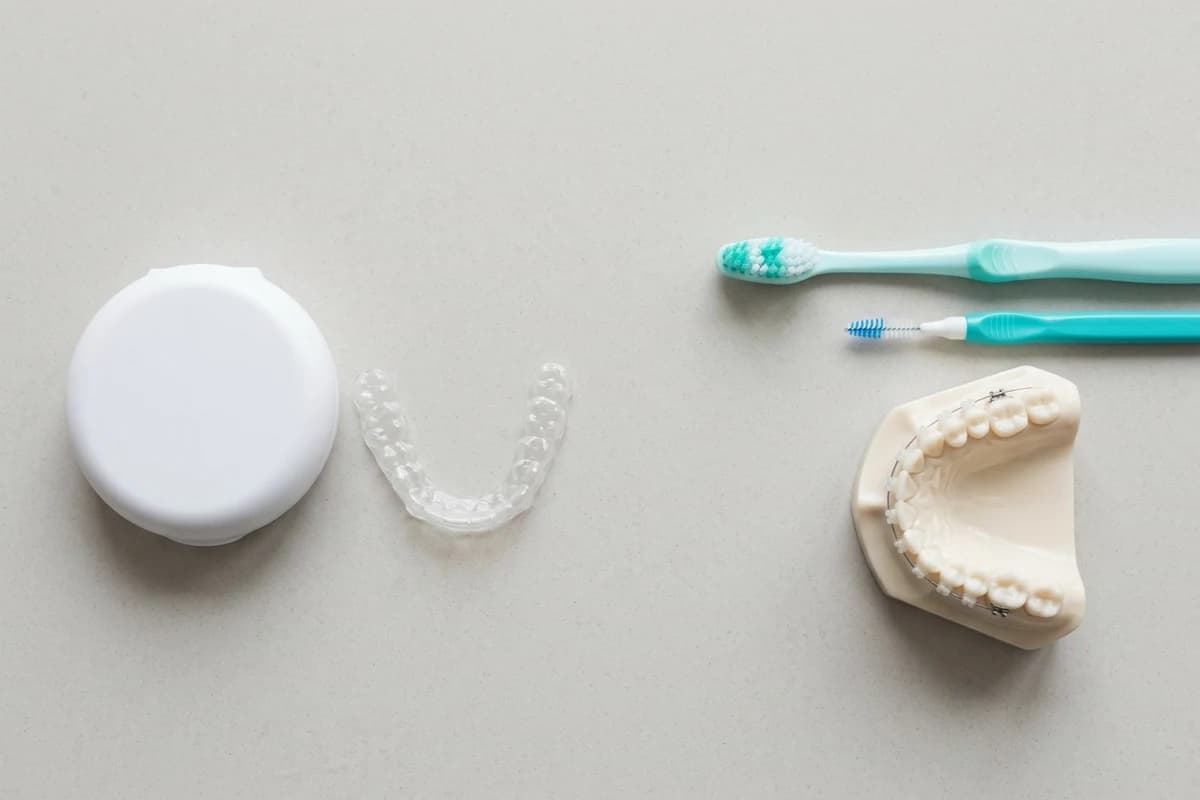
Maintaining cleanliness differs substantially between appliances. Aligner users brush and floss normally after meals before reinserting trays, preventing trapped carbohydrates from causing demineralization. Braces wearers utilize specialized tools to navigate wires and brackets, protecting periodontal tissues and preventing white spot lesions throughout their orthodontic care.[1][3][5]
- Interdental brushes for removing plaque lodged behind archwires
- Floss threaders or water flossers to access tight interproximal spaces
- Soft-bristled toothbrushes used with cool water for cleaning aligner trays
- Prompt brushing after meals before reseating removable clear appliances
Post-Treatment Retention and Stability
Following active movement with either system, a mandatory retention phase stabilizes remodeled alveolar bone and prevents relapse. Patients receive custom removable or fixed retainers to preserve their final alignment. Wearing retainers as prescribed protects the clinical investment and ensures teeth remain in their corrected positions over time.[1][2][3]
Treatment Limitations, Complications, and Next Steps
Every orthodontic modality carries specific limitations, from compliance failure with aligners to appliance breakage with fixed appliances. Understanding these potential challenges allows patients to prepare effectively, minimize setbacks, and make confident decisions during their clinical consultation.[1][2][3]
Managing Complications and Scheduling Consultation
Complications can include aligner tracking failure, lost composite attachments, debonded brackets, or minor speech lisps during initial adaptation. Addressing issues promptly through professional evaluation ensures treatment stays on schedule. Scheduling an orthodontic consultation provides direct clarity on whether clear aligners or fixed braces represent the ideal path for your smile.[1][2][3]
Sources
- aaoinfo.org — American Association of Orthodontists
- aaoinfo.org — American Association of Orthodontists
- mouthhealthy.org — American Dental Association
- nih.gov — pubmed.ncbi.nlm.nih.gov
- nih.gov — pubmed.ncbi.nlm.nih.gov
Common questions
Frequently asked questions
Clear aligners can treat many alignment concerns, but some tooth movements or bite problems may be easier to plan with fixed braces. The choice depends on the individual examination, treatment goals, and ability to wear removable trays as directed. An orthodontist can explain the tradeoffs for your case.[1][4]
Patients should remove clear aligners before drinking hot beverages because high temperatures can warp the thermoplastic material, altering the tray's shape and compromising planned tooth movements. Additionally, colored liquids like coffee or tea can stain trays and trap sugars against your tooth enamel.[1][2][3]
Speech alterations, such as a slight lisp, are temporary when starting clear aligners. The tongue quickly adapts to the thin thermoplastic trays over several days. Practicing speaking or reading aloud accelerates this muscular adjustment, allowing your normal articulation and speech clarity to return quickly.[1][2]
Discuss orthodontic treatment with EZ Orthodontics
Schedule a consultation with EZ Orthodontics to explore whether clear aligners or fixed braces best match your dental needs. Our team is here to evaluate your alignment goals and answer any questions.